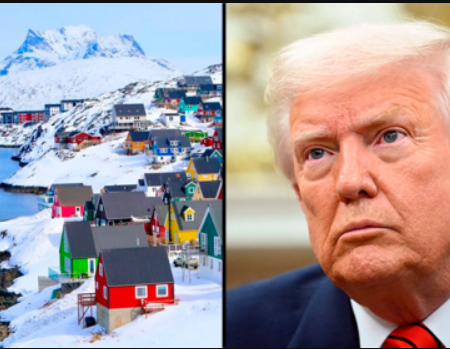






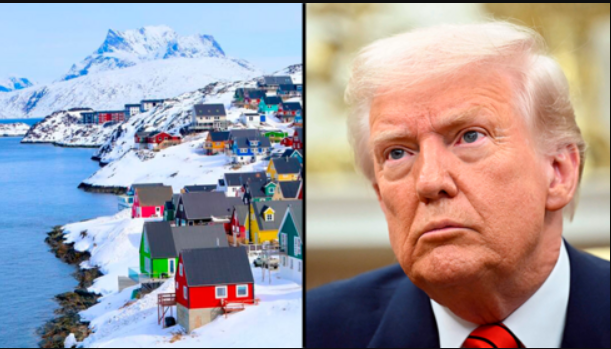
The relationship between the United States and Greenland has become a focal point of international diplomacy and strategic competition in 2026, reflecting broader geopolitical shifts in the Arctic. Greenland — a self-governing territory of the Kingdom of Denmark — occupies a highly strategic position between North America and Europe, making it a key piece in the defense and economic interests of multiple major powers. (Encyclopedia Britannica)
Strategic Importance of Greenland
Greenland’s value to the United States stems from several key factors:
- Geopolitical location: Its position in the Arctic makes it crucial for military early-warning and monitoring systems, offering the shortest air and missile detection routes between North America and Europe. (Reddit)
- Defense infrastructure: The U.S. operates strategic military facilities on the island, including the Pituffik Space Base (formerly Thule Air Base), which plays a central role in continental defense and NORAD operations. (Le Monde.fr)
- Natural resources: Greenland holds rich deposits of minerals and critical materials needed for modern technologies and renewable energy supply chains. (Geopolitical Economy Report)
Recent Developments: Diplomacy and Dispute
In 2026, relations between the U.S. and Greenland (and by extension Denmark) have been shaped by a mix of tension and dialogue:
Renewed U.S. Engagement
The U.S. has revived formal discussions about Greenland’s future, establishing a special working group to explore possibilities ranging from expanded cooperation to potential territorial agreements. These talks involve senior U.S. officials and representatives from Denmark and Greenland, though no agreement has yet been reached. (112)
A White House spokesperson recently confirmed that discussions about Greenland and U.S. interests are ongoing, emphasizing that all options remain on the table with diplomacy as a priority. (Reddit)
Greenland’s Caution and Sovereignty Concerns
Greenlandic officials have publicly stated that their government still lacks clarity about the precise interests of the U.S. in the territory, especially with respect to access to mineral resources and security arrangements. They made clear that Greenland’s sovereignty and territorial integrity are red lines in any negotiation. (euronews)
Although Greenland’s government has expressed a willingness to update defense cooperation under the long-standing 1951 U.S.–Denmark defense pact, it rejects any notion of ceding sovereign control or exclusive resource access. (euronews)
Strong Reaffirmation of Danish Sovereignty
Amid rising pressure from Washington, Greenlandic leadership and Danish officials issued a joint declaration reaffirming that Greenland will remain part of the Kingdom of Denmark and aligned with NATO and the European Union in matters of defense and foreign policy. (Reuters)
Polls show that a clear majority of Greenlanders oppose becoming part of the United States or being annexed, reinforcing their preference for democratic self-determination within established legal frameworks. (TIME)
Regional and Alliance Responses
The Greenland situation has triggered broader international responses:
- Nordic cooperation: Nordic governments are considering treaty updates to grant equal status to Greenland and similar territories within regional security frameworks. (Reuters)
- NATO initiatives: NATO launched Arctic Sentry, a coordinated defense effort in the High North designed to strengthen security and cooperation among member states in the Arctic region following tensions over Greenland. (AP News)
- European and allied diplomatic presence: Nuuk, Greenland’s capital, has seen increased diplomatic activity — with countries like Canada and France expanding their presence and cooperation, partly as a response to U.S. strategic emphasis. (The Week)
Geopolitical Context
Multiple factors drive global interest in Greenland:
- U.S. security concerns: American officials have highlighted the need to counter potential Russian or Chinese influence in the Arctic, positioning Greenland as an essential platform for early detection and defense capabilities. (Encyclopedia Britannica)
- Resource competition: With many critical minerals located under Greenland’s ice, the island is a potential source of future supply for strategic technologies — a factor in Washington’s economic interest. (Geopolitical Economy Report)
- Local autonomy movements: Greenland’s own policy discussions include greater self-determination and economic diversification, balancing external engagement with internal priorities. (cfr.org)
What Comes Next?
As of 2026, the dialogue between the United States, Denmark, and Greenland continues without a finalized deal:
- Greenland remains firm on its sovereignty and cautious about exclusive foreign access. (euronews)
- U.S. interest persists, centered on defense cooperation and strategic positioning in the Arctic. (Reddit)
- European, Nordic, and NATO partners are increasingly involved, shaping the security and diplomatic landscape in the region. (Le Monde.fr)
The evolving U.S.–Greenland relationship reflects a broader shift in Arctic geopolitics — where strategic interests, alliance commitments, and local self-determination intersect in a rapidly changing global environment.
📌 Sources
- U.S. and Denmark agree to formal talks on Greenland’s future: high-level negotiations. (112)
- Greenlandic minister on U.S. demands and sovereignty. (euronews)
- Nordic states seek deeper ties amid tensions over U.S. strategy. (Reuters)
- NATO launches Arctic Sentry defense initiative after Greenland crisis. (Le Monde.fr)
- Greenland reaffirms loyalty to Denmark and NATO. (TIME)
If you’d like, I can also prepare a short Reddit-style news summary or a social media version of this piece.